
The Difference Between Coping and Healing
One of the realities of living with chronic illness is that you become very familiar with certain words. Terms like acceptance, resilience, recovery, coping, and healing show up frequently in conversations with doctors, therapists, support groups, and even in your own internal dialogue.
Over the years, both personally and professionally, I have noticed that many people use the words coping and healing interchangeably. Others view them as complete opposites. In my experience, neither perspective fully captures what these words mean when you are living with a chronic condition.
As someone who has lived with chronic illness for most of my life, I have spent a great deal of time thinking about the difference between coping and healing. More importantly, I have had to understand what those concepts mean when there is no cure or when symptoms continue despite your best efforts.
Why the Difference Between Coping and Healing Matters
According to Webster's Dictionary, to cope means to deal with and attempt to overcome problems or difficulties. Healing is defined as making well again or overcoming an undesirable condition.
At first glance, those definitions seem very different. Coping sounds like managing a difficult situation, while healing sounds like moving beyond it.
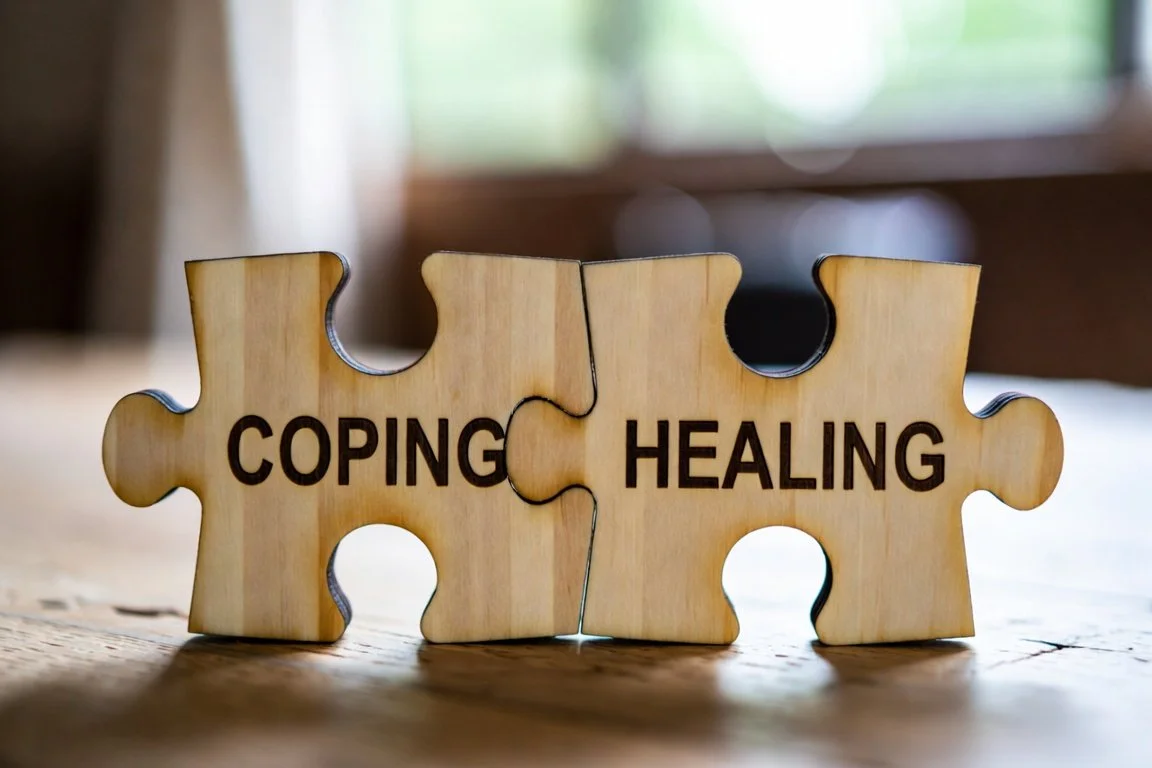
However, when I reflect on my own experience with chronic illness, I do not see coping and healing as opposing forces. Instead, I see them as working together.
Coping has helped me navigate difficult days, difficult symptoms, and difficult seasons of life. Healing has helped me process grief, adjust expectations, and find meaning despite the challenges I continue to face.
Both have played an important role in helping me build a life that feels fulfilling.
The Misconception That Healing Means the Pain Must Disappear
One of the most common misconceptions I encounter is the belief that healing means pain or symptoms must completely go away.
For people living with chronic illness, that definition can feel discouraging and even unattainable.
When symptoms persist, many people begin to wonder whether healing is even possible. They may assume that because their body cannot return to the way it was before their diagnosis, healing is no longer available to them.
However, healing can take many forms.
Healing can mean learning to grieve the life you expected. It can mean accepting changes that were never part of your plan. It can mean creating a meaningful life while still acknowledging the realities of your condition.
Healing is not always about moving past those experiences, sometimes it is about changing your relationship with them.
Why Coping Is More Powerful Than People Realize
At the same time, coping is often misunderstood.
Many people hear the word coping and assume it means merely getting by or settling for less. In reality, coping is one of the most active and empowering things a person can do.
When you learn pacing techniques, create routines that support your energy, attend physical therapy, practice mindfulness, establish healthy boundaries, or learn cognitive behavioral strategies, you are coping. Those choices require intention, effort, and practice.
In therapy, I often describe coping skills as tools. Just as a carpenter continues adding tools throughout their career, we should continue adding coping tools throughout our lives.
Why the Words We Use Matter
As a therapist, I pay close attention to language because words shape the way we think about ourselves and our experiences.
Our brains naturally try to organize information and create meaning from what we experience. When we define healing as complete recovery, we may unintentionally convince ourselves that that is unattainable if symptoms remain.
When we broaden our understanding of healing to include acceptance, growth, emotional peace, and quality of life, we create room for success that feels more realistic and achievable.
How Coping and Healing Work Together
I often explain to clients that coping helps you navigate the present while healing helps you build a future.
Coping provides the day-to-day strategies that help you manage symptoms, emotions, and practical challenges. Healing allows you to process losses, redefine your identity, and reconnect with what matters most to you.
One supports daily functioning. The other supports long-term emotional well-being.
Neither is more important than the other. In fact, I believe healing often depends on coping.
Moving Forward With Both Coping and Healing
Rather than choosing between coping and healing, I encourage people to embrace both.
The coping skills you develop today can help create the foundation for healing tomorrow. Likewise, the emotional healing you experience can strengthen your ability to cope with future challenges.
If you are struggling with the emotional impact of chronic illness and want support from someone who understands both professionally and personally, I invite you to schedule a consultation.
You are also welcome to join my Facebook community, Life and Love With Chronic Illness, where we have honest conversations about chronic illness, emotional healing, relationships, acceptance, and creating a meaningful life despite difficult circumstances.
Sometimes healing begins when we stop asking whether we are coping or healing and start recognizing that both can happen at the same time.