
Living With Chronic Illness And Seasonal Affective Disorder
If you live with a chronic or hidden illness, you may notice that winter doesn’t just feel harder, sometimes it can feel almost unbearable. Many people describe seasonal affective disorder as more than sadness or low motivation. It feels heavier, deeper, and harder to shake.
In therapy sessions with my clients, it’s often described this way: “It feels like the sun is literally going down inside me.” Others talk about a mental blanket settling over their eyes and head; dulling energy, motivation, and hope. There’s often a quiet sense of dread that starts earlier than expected, sometimes as early as fall, simply because the body and mind remember what’s coming.
This experience is real, common, and valid, especially for people already carrying the daily load of chronic or invisible illness.
Why Seasonal Affective Disorder Can Feel Worse With Chronic Illness
From a mental health perspective, seasonal affective disorder doesn’t exist in a vacuum. When layered on top of chronic illness, it often intensifies for several reasons.
First, many chronic conditions already tax the nervous system. Pain, fatigue, inflammation, brain fog, and ongoing medical stress mean the body is constantly working harder to maintain balance. When daylight decreases and circadian rhythms are disrupted, the system has less resilience to adapt. The result can feel like emotional and physical depletion happening at the same time.
Second, people living with chronic illness are often already managing limited energy. Winter asks more (more effort to get moving, more planning, more internal motivation) at a time when energy is at its lowest. This mismatch can create feelings of guilt, frustration, or shame, even though the struggle is physiological, not personal failure.
There’s also the anticipatory piece. Many clients share that the hardest part isn’t just winter itself, but knowing it’s coming. The body remembers previous winters. That awareness alone can trigger anxiety, sadness, or withdrawal months before the season fully arrives.
And finally, isolation plays a major role. Cold weather, limited mobility, and illness-related boundaries can shrink social connection. When isolation increases, seasonal depression often deepens.

The Emotional Weight of “Invisible” Struggles
One of the most painful aspects of seasonal affective disorder for people with hidden illness is feeling misunderstood. On the outside, life may look the same, but internally, everything feels slower, heavier, and more effortful.
This disconnect can lead to self-criticism:
“Why can’t I just push through?”
“Other people seem fine…what’s wrong with me?”
Nothing is “wrong.” Seasonal depression affects mood, motivation, sleep, and energy, all areas that chronic illness already touches. When those overlap, the impact multiplies.
Practical Support For Getting Through Winter
While seasonal affective disorder can’t be wished away, there are supportive strategies that many clients find grounding and manageable.
Getting outside during daylight, even briefly, can make a meaningful difference. This doesn’t require long walks or structured exercise. Sitting on the porch, walking the dog, standing in the sun for a few minutes, or running a short errand during daylight hours all count. Planning ahead matters here. When energy is low, intention makes action more possible.
Using lamps that mimic natural daylight can also help regulate mood and circadian rhythms, especially on darker mornings or afternoons. Many people notice subtle but meaningful shifts when light exposure becomes more consistent.
Connection is another critical piece. Joining support groups — especially those specific to your chronic or hidden illness like these: http://www.autoimmunegroup.com/ and https://www.thecenterforchronicillness.org/programs — can reduce the isolation that winter amplifies. Online communities, including Facebook groups, often provide understanding that friends or family may not fully be able to offer. Feeling seen and understood matters.
Most importantly, self-compassion is not optional during this season, it’s essential. Winter may require a slower pace, fewer expectations, and more rest. It’s important to call it what it is: responsive self-care.
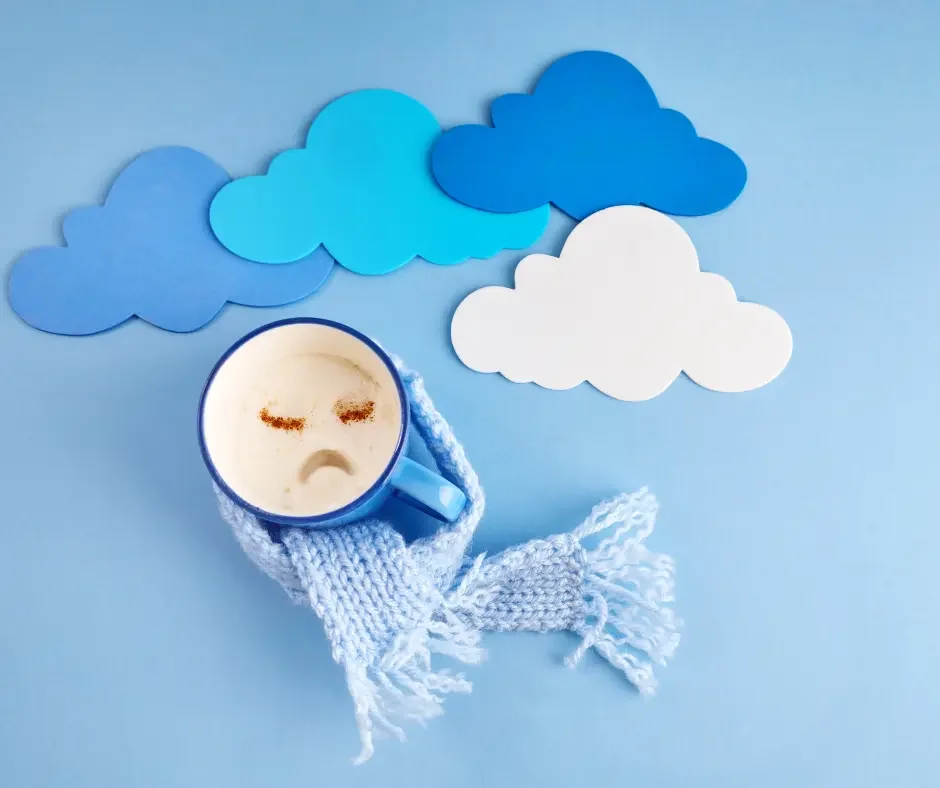
Seasonal affective disorder combined with chronic or hidden illness can feel overwhelming but support can help you adjust, accept, and create strategies that prioritize your mental well-being without pushing your body beyond its limits.
If you’re noticing the familiar signs as winter continues - the internal dimming, the dread, the heaviness, schedule a consultation as a meaningful first step. Therapy can provide a space to process what’s happening, develop personalized coping strategies, and feel supported as you navigate this season with more care and intention. If you live in New Jersey or Virginia schedule a free consultation HERE