
When you're married to someone with a chronic illness, there's one thing you learn pretty quickly: Plans are always subject to change. And during the holidays, when everyone has somewhere to be, someone to visit, and a tradition they don't want to miss, that can get complicated.
My wife, Karen, has lived with chronic illness since she was 14. Over the years, I've learned that just because we make plans doesn't mean her body is going to cooperate.
Does that mean I've never been disappointed when we've had to leave somewhere early? Of course not. But I've also learned that being disappointed about a situation doesn't mean I have to be disappointed in my wife. And sometimes, having an excuse to leave a family gathering early isn't necessarily the worst thing in the world!
When Chronic Illness Changes Your Holiday Plans
One Christmas, Karen and I traveled to the Poconos to visit my sister and her children. I was really looking forward to spending time with my nieces because I didn't get to see them very often.
Unfortunately, Karen wasn't feeling well, and we had to cut our visit short. I'll admit that I was hurt at first. But then I reminded myself of something important: Karen wasn't choosing to leave early. Her illness was making that decision for her.
Getting upset with her wasn't going to change how she felt, and it certainly wasn't going to make either of us enjoy Christmas more. So we went back to our hotel, where she could rest. The following day, we stopped by my sister's house again on our way home. We ended up spending about the same amount of time with both families, just spread over two days.
Sometimes You Have to Recognize the Signs Before Your Partner Says Anything
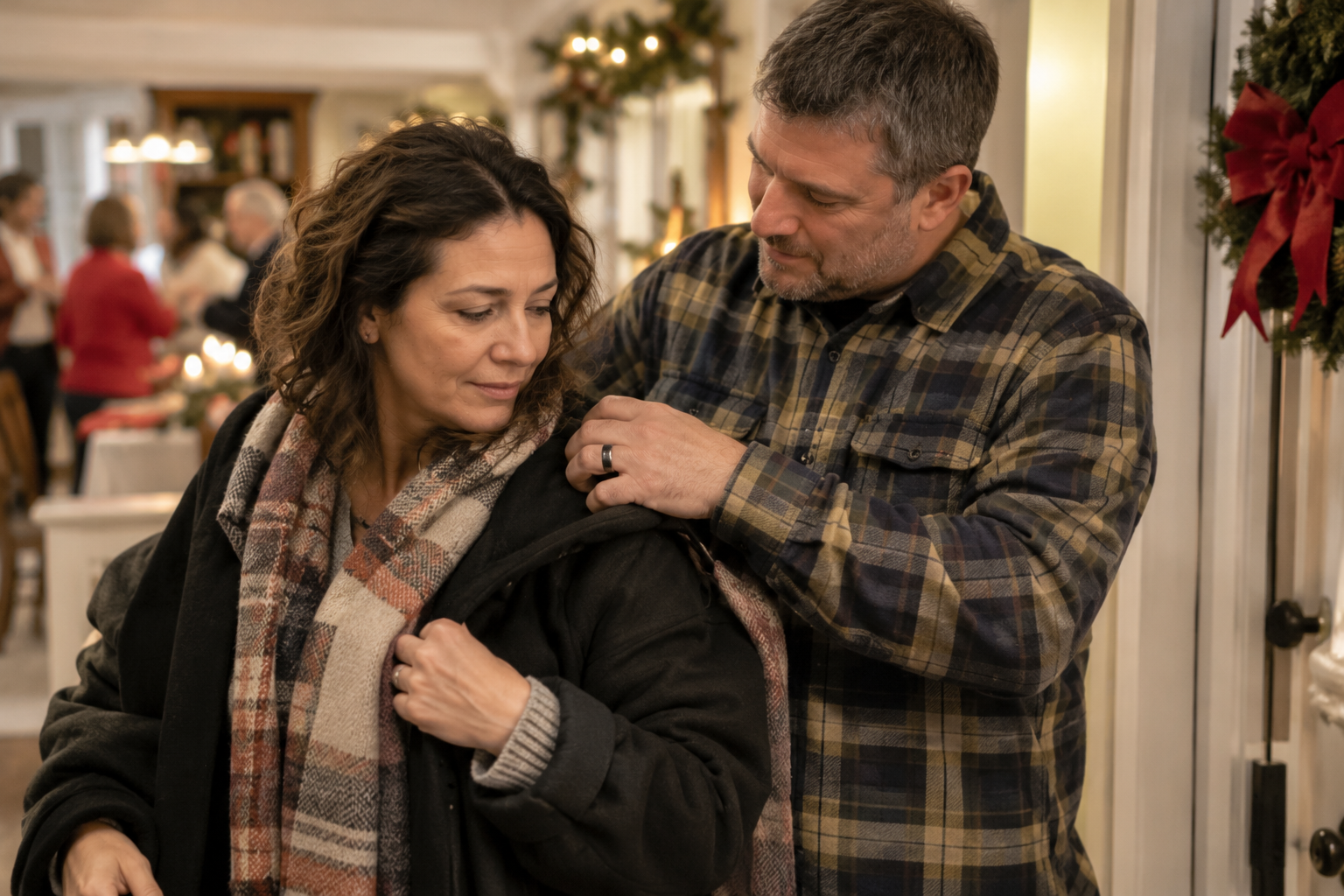
After years together, I've gotten pretty good at recognizing when Karen is approaching her limit. I can usually see it in her face when the pain is becoming too much, even when she's trying to keep going.
This past Thanksgiving, we visited one of her former coworkers and friends an hour and a half away. We arrived a little after 1 p.m., and by the time dinner was being served, I could tell she was getting close to hitting that wall.
Now, I'm a Dallas Cowboys fan, and they were playing that day. I would have liked to stay and finish watching the game but after dinner, I told Karen we could start saying our goodbyes. I could always find out the score when we got home.
We mentioned wanting to get on the road to get ahead of traffic and check on our cats. Karen eventually told her friend that her pain was getting worse, although she didn't want to make a big announcement about it to everyone.
I think that's something partners should understand. Your spouse may already feel guilty about changing plans, so you don't have to make their illness the center of attention every time you leave early.
Three Things I've Learned About Loving Someone With Chronic Illness During the Holidays
1. Be Adaptable
If you're making holiday plans with someone who has a chronic illness, accept that things might change. Maybe you stay for two hours instead of five. Maybe you celebrate on a different day. Maybe you have to skip something altogether.
Try to focus on what you can do together instead of everything that didn't go according to plan.
2. Don't Pack Every Minute of Your Schedule
You can still do the things you want without making the schedule so demanding. You don't have to attend every gathering, stay until the last person leaves, or squeeze every tradition into one weekend.
Sometimes making fewer plans means you actually get to enjoy more of them.
3. Don't Let Other People Make You Feel Guilty
When Karen and I first got together, some friends and family members questioned our relationship because of her illness. A few even suggested that she would hold me back. I made it clear that I loved Karen and that our relationship wasn't something they got to decide for us.
You may have family members who don't understand why you leave early or change plans. They might make comments or try to make you feel guilty. You can listen to their disappointment without allowing it to dictate how you treat your spouse.
Your relationship and your partner's health are more important than keeping everyone else happy.
Sometimes You Leave Early. That Doesn't Mean You Missed Out.
If there's one thing I want other spouses and partners to remember, it's that the time you spend together matters more than whether everything goes according to plan.
You never know what life will bring, and the holidays are an opportunity to appreciate the people you love. I've learned that a successful holiday isn't about how long we stay somewhere or how many activities we manage to fit in. It's about finding ways for both of us to enjoy the time we have.
And if that means missing the end of a Cowboys game, I suppose I can live with that.
If chronic illness is creating stress, guilt, or tension in your relationship, you don't have to figure everything out on your own. At AnamCara Counseling, Karen helps people living with chronic and hidden illness navigate the emotional challenges that affect their relationships and everyday lives.
If you or your partner are struggling to balance chronic illness with family expectations, consider scheduling a consultation with Karen. Sometimes having someone who understands both the personal and professional sides of chronic illness can make those conversations a little easier.