
What I Wish Someone Had Told Me Right After My Chronic Illness Diagnosis
When I was diagnosed, nobody handed me a roadmap for what came next.
I had spent so long searching for answers that finally having a name for what was happening felt like crossing a finish line. But a diagnosis is not a finish line. It is a starting point and nobody prepared me for what starting over actually looked like.
I have lived with chronic illness for most of my life. And if I could sit across from the version of myself who had just received that diagnosis, here is what I would want her to know. If you are newly diagnosed, this is for you too.
Make a Commitment to Live, Not Just Exist
The road to a diagnosis is exhausting. By the time you get there, you may have spent months or years moving from one appointment to the next, one test to the next, one waiting room to the next. That kind of survival mode has a way of becoming a habit even after the answers arrive.
Give yourself permission to step out of it.
Find something that brings you joy every single day, no matter how small. A favorite show, a walk outside, a meal you love, a few minutes doing something that has nothing to do with your health. Your life is not a series of medical appointments. It is still yours and it deserves to feel that way.
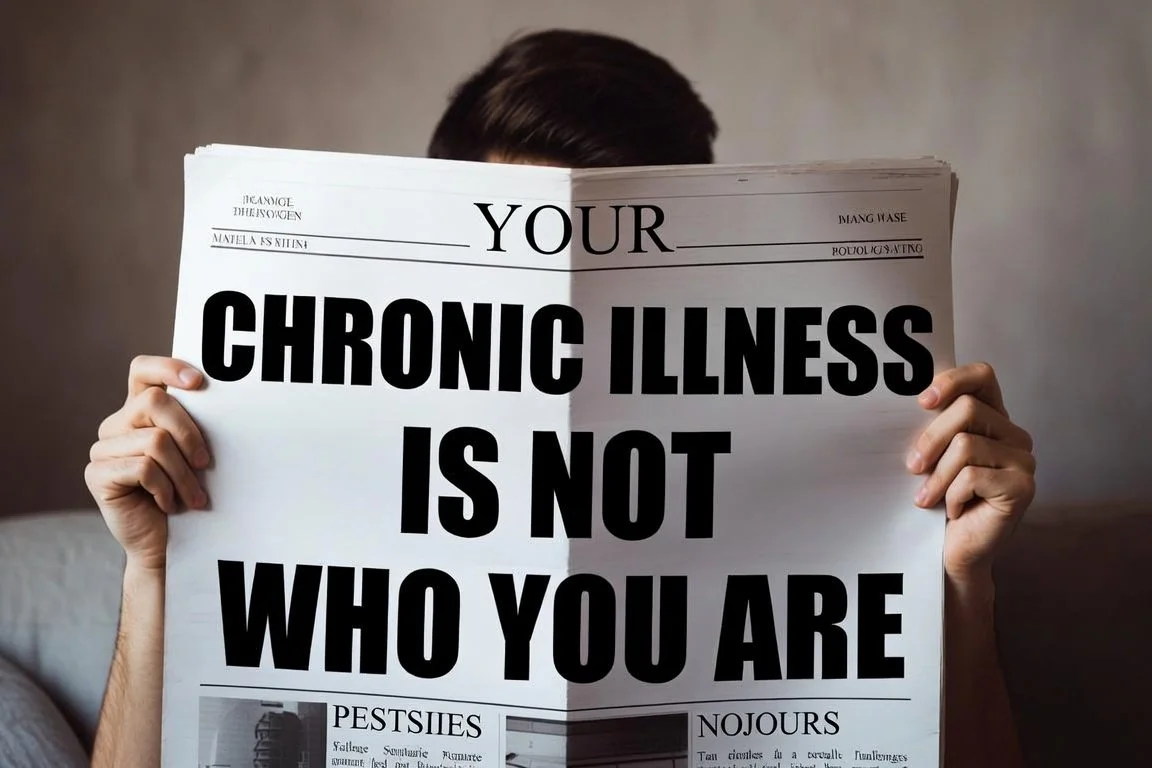
Your Chronic Illness Diagnosis Is One Part of You. It Is Not All of You.
You are so much more than what is written in your chart.
You may be a parent, a partner, a friend, a sibling, an artist, an animal lover, a reader, a dreamer, or any number of things that existed long before this diagnosis arrived. Your illness may affect how you move through life and sometimes limit your path. But it does not define your identity. In some ways, it may even open doors to experiences, connections, and versions of yourself you never expected to find.
Hold onto who you are.
Set Goals and Give Yourself Things to Anticipate
One of the most important things you can do after a chronic illness diagnosis is keep dreaming.
Create goals at different levels; something small to look forward to this week, something to work toward over the next few months, and a larger aspiration that lives a little further out. Having something on the horizon gives you a reason to keep moving toward it.
Small things on the calendar matter more than people realize, especially on the hard days.
Build a Support System That Actually Gets It
Not everyone in your life will know how to show up for you, and that is okay. What matters is identifying the people who can and then letting them.
Support groups, therapy, and mental health professionals who specialize in chronic illness can make a tremendous difference. Connecting with people who truly understand your experience reminds you that what you are feeling is valid and that you do not have to carry it alone. Your support system does not have to be large. It just has to be real.
Celebrate Every Single Victory
Some days, getting out of bed is the win. Some days, it is making it through an appointment, preparing a meal, or simply recognizing what your body needs and honoring it.
All of it counts.
Give yourself credit for learning your body, advocating for your needs, and building coping strategies that actually work for you. If keeping a journal helps, use it to track your symptoms, your progress, and the moments that felt good. Looking back at how far you have come can be one of the most powerful reminders that you are doing better than you think.
Your Diagnosis Is One Chapter, Not the Whole Book
There will be hard days. There will be grief, frustration, and moments that feel like too much. There will also be laughter, connection, unexpected joy, and a resilience you may not yet know you have.
Be patient with yourself. Offer yourself the same compassion you would give someone you love deeply. And remember that receiving a chronic illness diagnosis does not mean your story has reached its ending, it means you have new information about a story that is still very much being written.
If you are newly diagnosed and looking for support from someone who understands this both personally and professionally, reach out. Schedule a consultation to get started, and join my Facebook community Life and Love With Chronic Illness where people navigating chronic illness come together to share, support, and remind each other that a full and meaningful life is still absolutely possible.