
Chronic Illness and Heat Intolerance
If you ask me whether I prefer winter or summer, my answer is immediate. Winter. Every time.
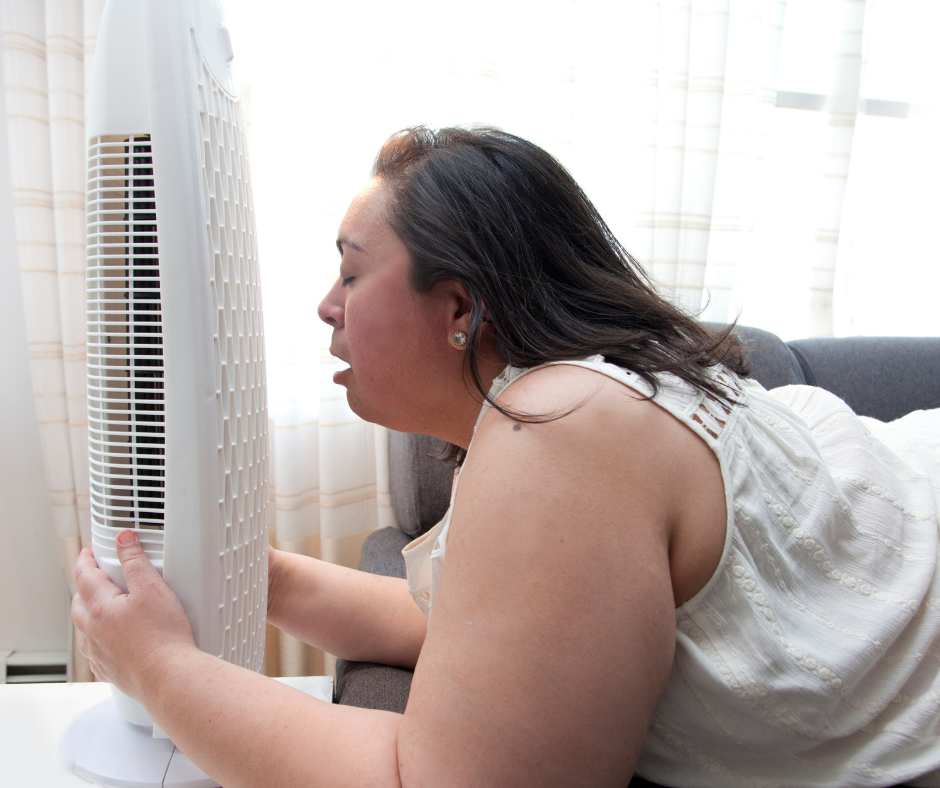
People are often surprised by that. They assume the colder months must be harder on my body. And while I do experience more joint pain from arthritis in winter, the truth is that summer presents a different and often more disruptive challenge. Changes in barometric pressure, humidity, and heat can significantly increase my pain levels and fatigue in ways that are difficult to predict and even harder to push through.
Over the years I've learned to watch the weather forecast as closely as I watch my calendar…because for those of us managing chronic illness and heat intolerance, a sunny day is not always the gift people assume it is.
Why Heat Makes Chronic Illness Harder
Many chronic conditions affect the body's ability to regulate temperature, manage inflammation, or recover from physical stress. Heat and humidity place additional demands on systems that are already working overtime.
In my own experience, humidity is particularly difficult. A significant shift in weather can increase my pain enough to affect my ability to work, socialize, or complete basic daily tasks.
I've learned that planning ahead during summer isn't pessimistic, it's practical.
The Emotional Weight Nobody Talks About
One of the most overlooked aspects of heat-related symptom flares is how deeply they affect emotional well-being.
When you know that rising humidity is likely to increase your pain, it creates a kind of anticipatory anxiety that's hard to explain to people who don't live with it. I notice it in myself every summer; that shift in awareness when I see the forecast and begin mentally preparing for what my body might do.
That awareness can quietly become fear.
Fear of canceling plans.
Fear of disappointing people.
Fear of missing out on experiences that others seem to enjoy effortlessly.
Many of my clients share these same concerns. Some begin avoiding social gatherings altogether. Others find themselves isolated for months because participating in outdoor activities carries real physical consequences. Over time, that isolation contributes to anxiety, frustration, and a deepening sense of disconnection. The ripple effects of chronic illness and heat intolerance extend far beyond physical symptoms - and that emotional layer needs to be addressed.
Learning to Adjust Without Giving Up
One of the most important shifts I've made in my own life is learning to see accommodations as tools rather than failures.
For years I felt frustrated by what heat took from me. Now I approach it differently.
Adjustments allow me to stay engaged with my life rather than forcing myself to suffer through it or avoid it entirely. When possible, I schedule activities during cooler parts of the day. Early morning is often when flea markets, outdoor events, and walks feel manageable. I keep bucket hats, a parasol, and cooling devices accessible during warmer months. I've stopped treating optional activities as obligations.
If my body is asking for rest, I listen. And I communicate openly with the people around me so that adjustments don't require lengthy explanations in the moment.
Practical Tools That Actually Help
One of the most valuable things I recommend to clients is keeping a symptom journal. Tracking pain levels, fatigue, weather patterns, food intake, and symptom changes over time reveals connections that are easy to miss day to day.
For example, I've learned that high-sodium foods can significantly increase my inflammation during humid weather. That one piece of self-knowledge has helped me make more informed decisions before symptoms escalate. It's also worth reviewing how your medications interact with heat and sun exposure; some increase sensitivity in ways that aren't immediately obvious, and a quick conversation with your pharmacist can prevent unnecessary complications.
Most importantly, give yourself permission to adapt. With chronic illness, the goal is never to push through. The goal is to find ways of living that work with your body rather than against it.
You're Allowed To Ask For More Support Than You're Currently Getting.
Your needs may shift with the seasons, the weather, your stress levels, and countless other factors.
If you're struggling with the emotional impact of chronic illness and want support from someone who understands both personally and professionally, it’s time to reach out.
Schedule a consultation to explore how therapy can help you build coping strategies, process difficult emotions, and create a life that works with your illness rather than against it.
You're also welcome to join my Facebook community, Life and Love With Chronic Illness, where honest conversations about chronic illness, relationships, and mental health happen every day.